
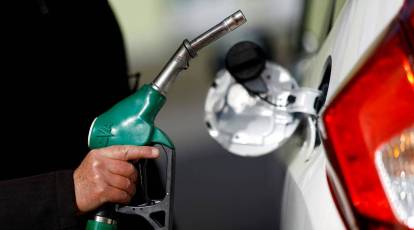
Fuel prices in Pakistan serve as a persistent topic of worry and debate among its populace, affecting everything from everyday travels to the broader economy. The changing price of petrol is shaped by a multifaceted blend of international and domestic elements, resulting in a lively and frequently erratic market.
A key factor influencing fuel prices in Pakistan is the worldwide crude oil market. Global oil rates are susceptible to geopolitical circumstances, supply-demand interactions, and overall economic conditions. Significant alterations in these aspects can echo through to Pakistan, impacting the expense of imported crude oil.
The exchange rate of the Pakistani rupee against the US dollar is also vital. With a considerable amount of its oil being imported, a depreciated rupee raises the cost of these imports, consequently pushing petrol prices up for consumers. In contrast, a strengthened rupee can offer some respite.
Taxes and levies imposed by the government are another major aspect affecting fuel prices in Pakistan. Adjustments to these taxes are frequently made to tackle fiscal deficits or to finance various governmental initiatives. Fluctuations in these taxes can create a direct and immediate effect on the pump price for consumers.
Local supply and demand likewise affect price variances. Peaks in demand during busy travel times or periods of economic expansion can put pressure on supply, potentially causing price hikes. Conversely, times of diminished demand may lead to reductions in price.
The effectiveness of Pakistan’s oil refining and distribution systems is also a factor. Any inefficiencies or bottlenecks within these operations can inflate the overall price of petrol, thus impacting the consumer. Investments aimed at modernizing and enhancing this infrastructure are crucial for achieving long-term price stability.
The ramifications of petrol prices go beyond individual consumers. Enterprises, especially those involved in transportation and logistics, feel the significant impact of fuel expenses. Rising petrol prices can elevate transportation costs, which are frequently transferred to consumers as increased prices for goods and services.
Looking to the future, Pakistan’s energy strategy will significantly influence forthcoming petrol prices. Diversifying energy sources, investing in renewable energy, and enhancing energy efficiency may help lessen dependency on imported oil and temper the effects of global price shifts.
 Trending News 47