
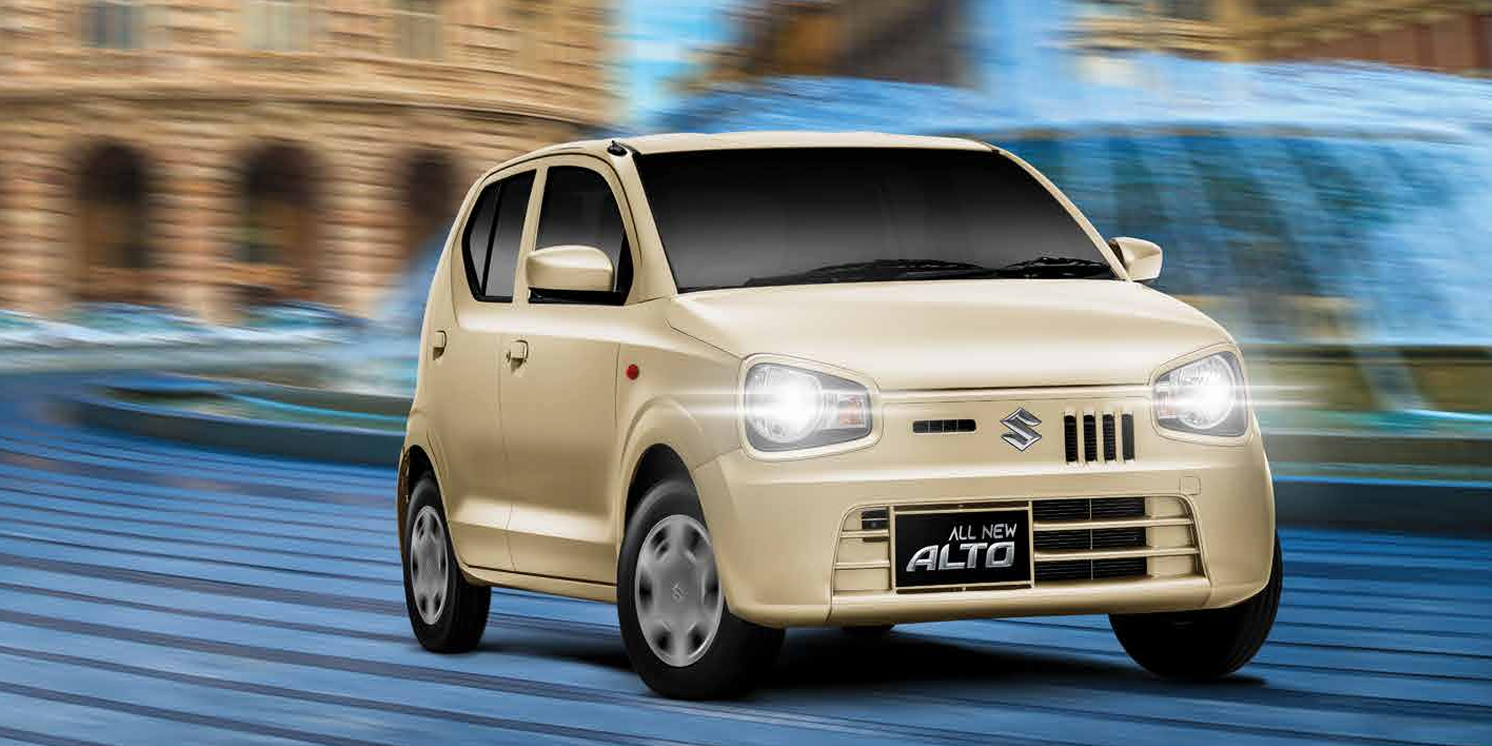
The Pakistani automotive scene has been recently swirling with speculation on social networks, claiming a prohibition on the Suzuki Alto from navigating the country’s motorways. These assertions, quickly disseminating through digital platforms, ignited widespread anxiety and bewilderment among car owners and the general populace. However, formal remarks from the National Highways and Motorway Police (NHMP) have firmly denied these assertions, clarifying that no such prohibition is in place.
Despite the NHMP’s refutation, the angst fueling these speculations arises from genuine concerns about the safety of smaller vehicles, particularly the Suzuki Alto, on high-velocity motorways. Recent occurrences and a heightened cognizance of vehicle safety norms have placed the structural robustness and safety characteristics of these compact cars under the spotlight. The high speeds typical of motorway travel present considerable hazards for smaller vehicles, raising doubts about their capability to endure potential collisions and maintain stability.
A primary issue revolves around the differing safety characteristics among various Suzuki Alto models. Older or more basic variants, such as the VX, currently being phased out, frequently lack crucial safety apparatus like airbags, anti-lock brake systems (ABS), and increased structural reinforcement. This inconsistency in safety features has sparked apprehensions regarding the vulnerability of these models in high-speed collisions. The absence of these elements renders these vehicles more perilous in high-speed crashes.
The discussion about the Suzuki Alto’s suitability for motorways reflects a broader conversation about road safety in Pakistan. The nation’s swiftly expanding motorway network, while fostering efficient transit, necessitates a parallel emphasis on vehicle safety regulations and driver education. The NHMP’s role in upholding traffic laws and advocating for safe driving habits becomes increasingly vital in reducing hazards and ensuring the safety of motorists.
Moreover, the consumer’s responsibility in selecting an appropriate vehicle for motorway travel cannot be underestimated. Future buyers should prioritize vehicles outfitted with comprehensive safety features, even if that means choosing costlier variants. Informed choices and a dedication to safety are crucial in tackling the challenges posed by high-speed journeys.
Reports indicate that Pak Suzuki Motor Company (PSMC) is addressing these safety issues. The discontinuation of the Alto VX variant, which lacks necessary safety enhancements, clearly indicates the company is taking safety concerns seriously. Newer iterations of the Suzuki Alto will incorporate advanced safety elements. This marks a positive development.
While the immediate speculations of a prohibition have been dispelled, the legitimate concerns regarding the safety of smaller vehicles on motorways persist. This dialogue has drawn necessary attention to road safety, accentuating the need for elevated vehicle safety standards. Continual vigilance and responsible driving practices are vital for ensuring safer motorway travel for all.
In summary, the Suzuki Alto motorway speculations have acted as a catalyst for an essential dialogue on road safety in Pakistan. Although no official prohibition exists, the issues raised emphasize the necessity of prioritizing safety in vehicle selection and driving practices. The future of motorway travel in Pakistan relies on a collective dedication to safety, encompassing both regulatory actions and individual accountability
 Trending News 47