
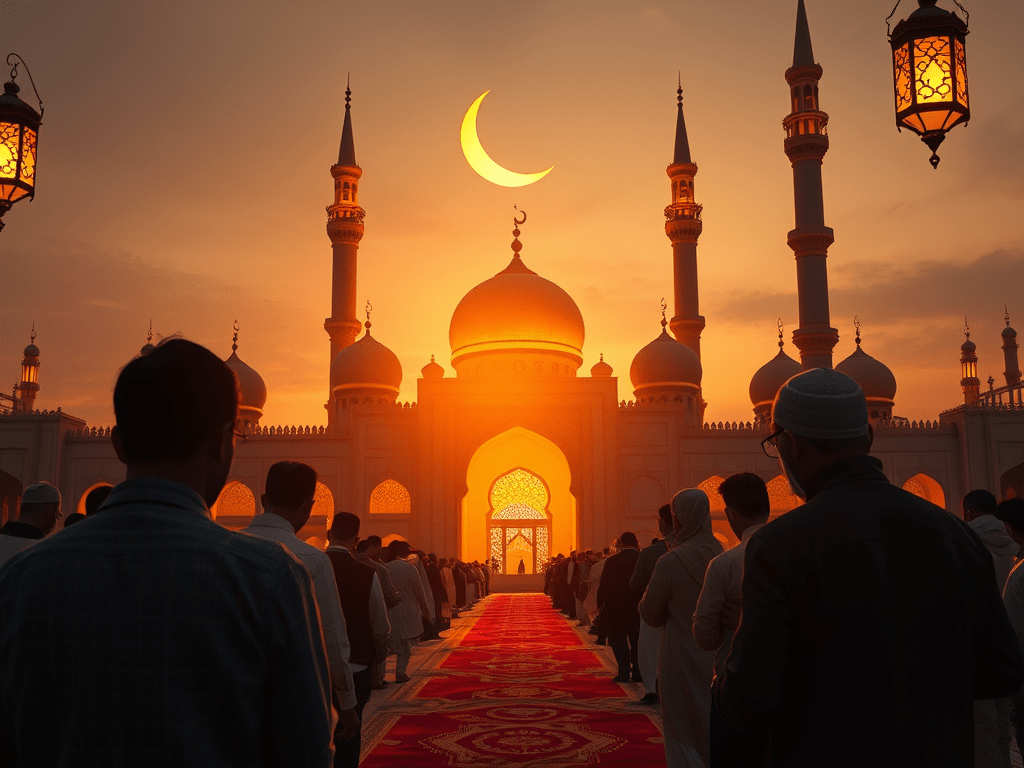
Ramadan, the ninth month in the Islamic lunar calendar, holds deep spiritual significance for Muslims globally. In 2025, this sacred month is expected to begin on the evening of Friday, February 28th, and end on the evening of Sunday, March 30th. It is important to keep in mind that these dates are tentative and depend on the actual sighting of the new moon, which may result in slight differences across various regions.
The primary practice during Ramadan is fasting, referred to as “sawm.” From dawn until dusk, Muslims refrain from food, drink, and other physical needs. This practice transcends mere physical abstinence; it serves as a time for enhanced spiritual awareness, self-control, and compassion for those in need. The fast is aimed at cleansing the soul and drawing individuals closer to the Divine.
In addition to fasting, Ramadan is a time of heightened prayer and devotion. Muslims frequently participate in additional prayers, such as “Taraweeh” prayers, which are offered at night in mosques. The recitation of the Quran is also given special emphasis, with many endeavoring to complete an entire reading of the holy text throughout the month. This emphasis on prayer and scripture cultivates a stronger bond with one’s faith.
Charity, known as “zakat,” assumes greater importance during Ramadan. Contributing to those in need is viewed as a particularly noble act during this period. Many Muslims augment their charitable donations, recognizing the significance of sharing their fortunes with others. This practice reinforces the essence of community and social responsibility that is foundational to Islam.
A vital night during Ramadan is “Laylat al-Qadr,” the Night of Power. Regarded as the evening when the Quran was first revealed to the Prophet Muhammad, it is considered the holiest night of the year. Muslims devote themselves to fervent prayer and supplication during this time, seeking blessings and forgiveness.
The conclusion of Ramadan is celebrated with Eid al-Fitr, a festive occasion that begins on the first day of Shawwal, the month that follows Ramadan. This joyful celebration includes special prayers, family reunions, exchanging gifts, and feasting. It’s a moment for expressing gratitude for the gifts of Ramadan and honoring the completion of the fast.
The Islamic calendar is lunar, causing the dates to vary each year. This is why it is vital to understand that the aforementioned dates are approximations and hinge on the moon’s sighting.
In summary, Ramadan is a month for spiritual renewal, introspection, and community bonding. It’s a time for Muslims to reinforce their faith, deepen their relationship with God, and nurture kindness toward others.
 Trending News 47