
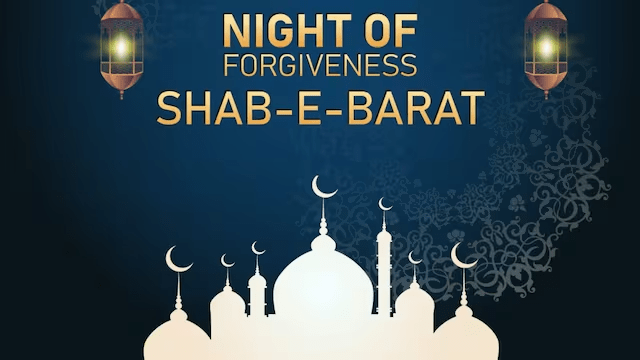
Presentation:
Shab-e-Barat, a critical night in the Islamic calendar, is observed on the fifteenth evening of Sha’ban. It is a night dedicated to seeking forgiveness from Allah, petitioning God for blessings, and reflecting on one’s past deeds. Muslims believe that on this evening, Allah determines the fate of people for the approaching year.
Significance of Shab-e-Barat:
Shab-e-Barat, otherwise called the “Evening of Forgiveness,” holds immense otherworldly importance for Muslims. It is a time for introspection, repentance, and seeking divine mercy. Muslims believe that Allah forgives those who sincerely repent and seek forgiveness on this evening.
Observing Shab-e-Barat:
Muslims spend the night in prayer, reciting the Quran, and requesting forgiveness. They likewise visit the graves of loved ones and offer prayers for their departed spirits. Many people engage in charitable activities, like giving food to the needy and helping poor people.
Shab-e-Barat in 2025:
In 2025, Shab-e-Barat will be observed from the evening of February thirteenth to the evening of February fourteenth. Muslims will gather in mosques and homes to ask and seek forgiveness from Allah.
Customs and Customs:
Different traditions and customs are associated with Shab-e-Barat. Some people prepare special dishes and share them with loved ones. Others light candles and decorate their homes to check the event.
Profound Reflection:
Shab-e-Barat is a time for deep profound reflection. Muslims reflect on their past activities, seek forgiveness for their mistakes, and make resolutions to lead a better life.
Seeking Forgiveness:
The essential focal point of Shab-e-Barat is to seek forgiveness from Allah. Muslims believe that Allah is merciful and compassionate, and He forgives those who sincerely repent.
An Evening of Blessings:
Shab-e-Barat is likewise an evening of blessings. Muslims petition God for blessings in their lives, for their families, and for the entire Muslim people group.
 Trending News 47